
About the project
In our time, it is space—rather than time—that occupies the center of our attention, and the city typically serves as the setting for every aspect of daily life. In 1967, Michel Foucault developed his theory of space in a lecture titled “Of Other Spaces” (Des espaces autres), delivered at the Cercle d’Études Architecturales in Paris. In it, he establishes a fundamental distinction between two types of space: utopia and heterotopia. Utopias are sites with no real location; they are spaces that present society in a perfected form—or its opposite—yet remain fundamentally unreal. In contrast, heterotopias are actual, real-world places that exist within every culture. They are “other spaces” that function as a form of correspondence, challenge, or subversion in relation to all other real spaces.
Museums, libraries, and theaters are typical examples of heterotopia—that is, they function as an “other place” within society, which they reflect, refer to, or stand in contrast to. In a museum, time continuously accumulates within a static space. In other words, the “other place” of the museum prompts us to rediscover and reflect upon our present.
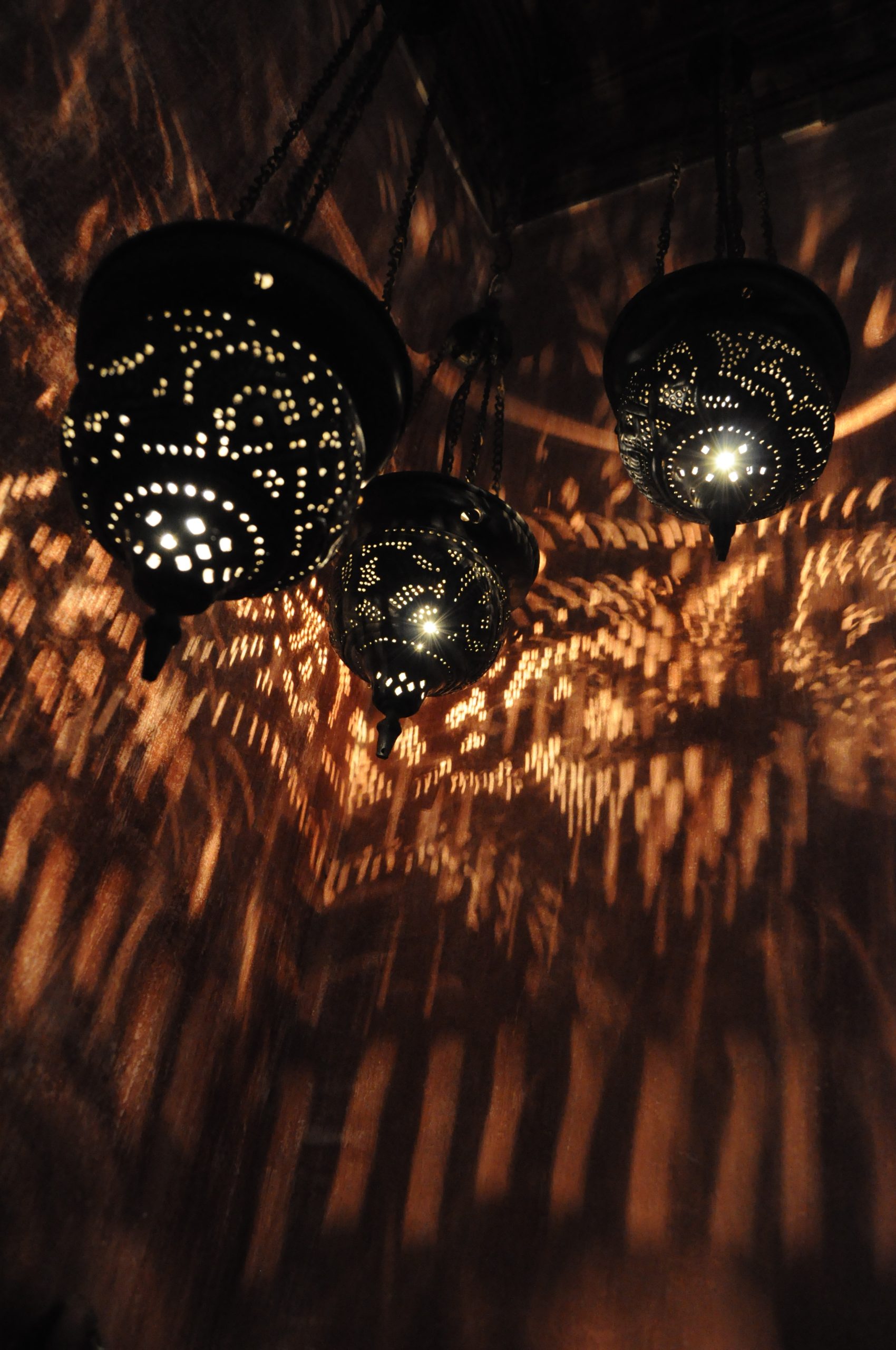
MOHA creates a new experience within the House of Mohammed Ali Pasha. Through the lens of Foucault, its spaces are transformed into “other places”—heterotopias—inviting visitors to engage in a dialogue about identity, history, and belonging. Sounds, music, lighting, scents, and textures guide visitors on a journey into heterotopia, engaging both the senses and the imagination.
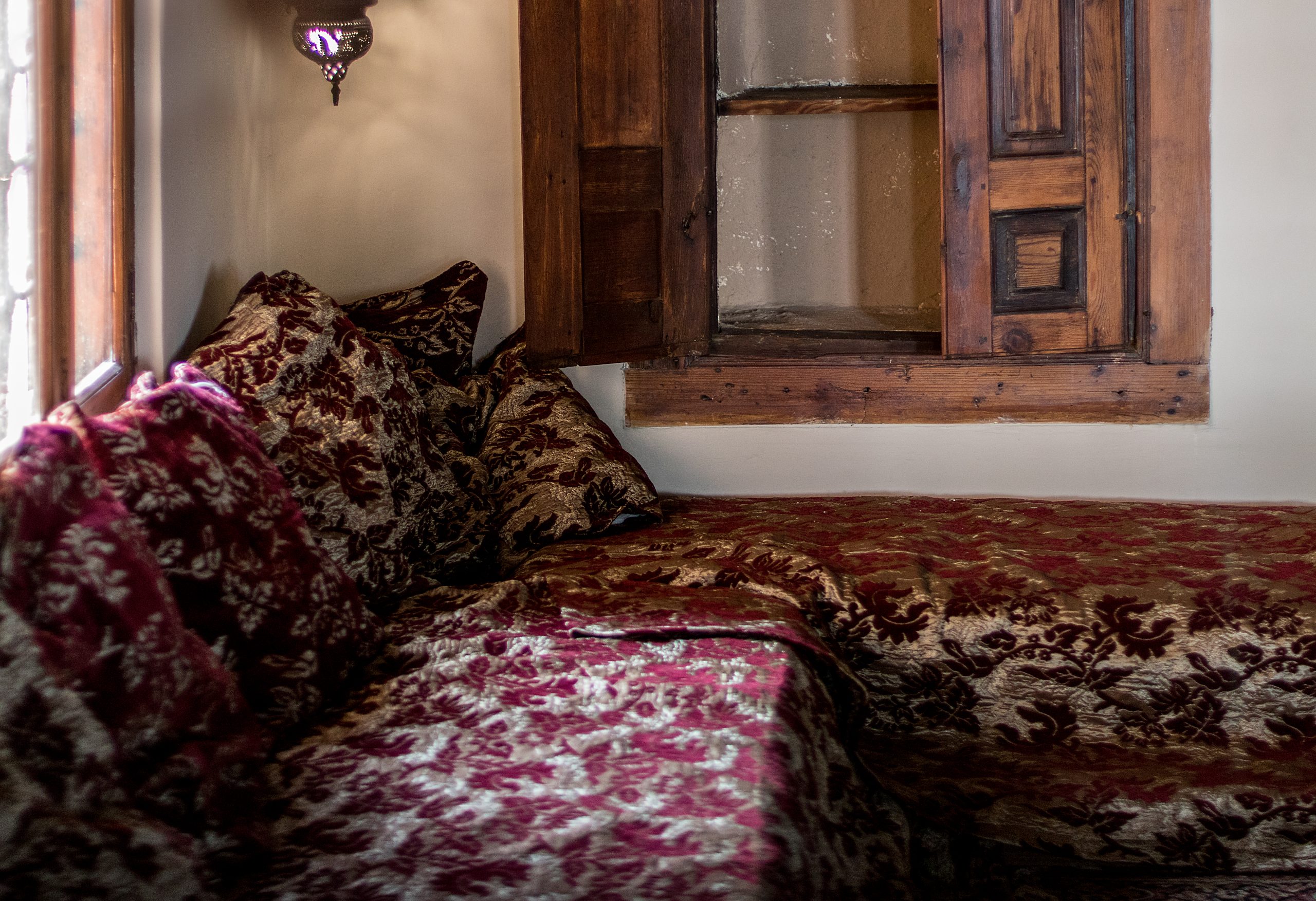
The odah (main living room), the bedrooms, the reception room are decorated with elements that evoke the lifestyle of Ottoman-era Kavala. Oriental carpets and kilims, brocade fabrics, damask coverings enrich the setting. Drawing upon the descriptions of travelers such as Julia Pardoe and Samuel Baker, who journeyed to the East in the 19th century, the hammam emerges as an authentic setting for an Oriental bath, rich in colors, scents, and textures. Foucault observes: “There are heterotopias that are exclusively dedicated to acts of purification—purification that is partly religious and partly a matter of hygiene—such as the hammams of the Muslims.”