ARTICLES & STUDIES

Observing the starry sky a thousand years ago

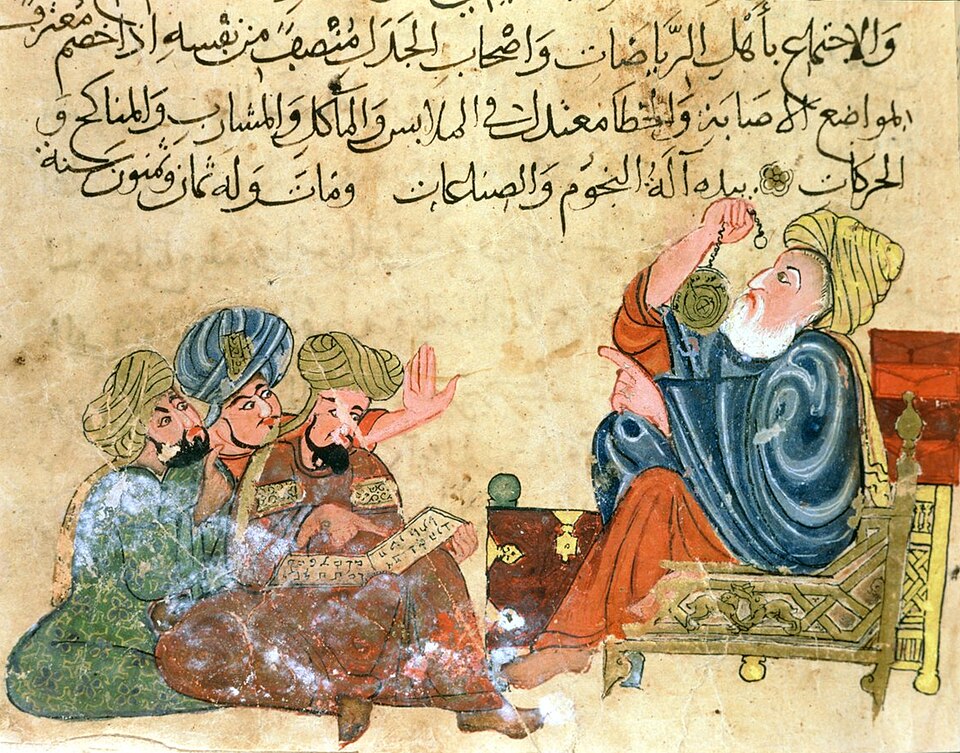
The night sky has always inspired science. The same happened in the Arab world more than a thousand years ago, when dozens of scientists gathered in the observatories of Damascus, Samarkand, Maragha, Baghdad, Istanbul and Cordoba to study the stars. And of course, no other celestial object was as closely associated with the Islamic civilization as the moon. The continuous calculations and observations of a lunar year were essential for the determination of the most important religious ceremonies and practices.

The transmission of ideas and knowledge from papyrus to book

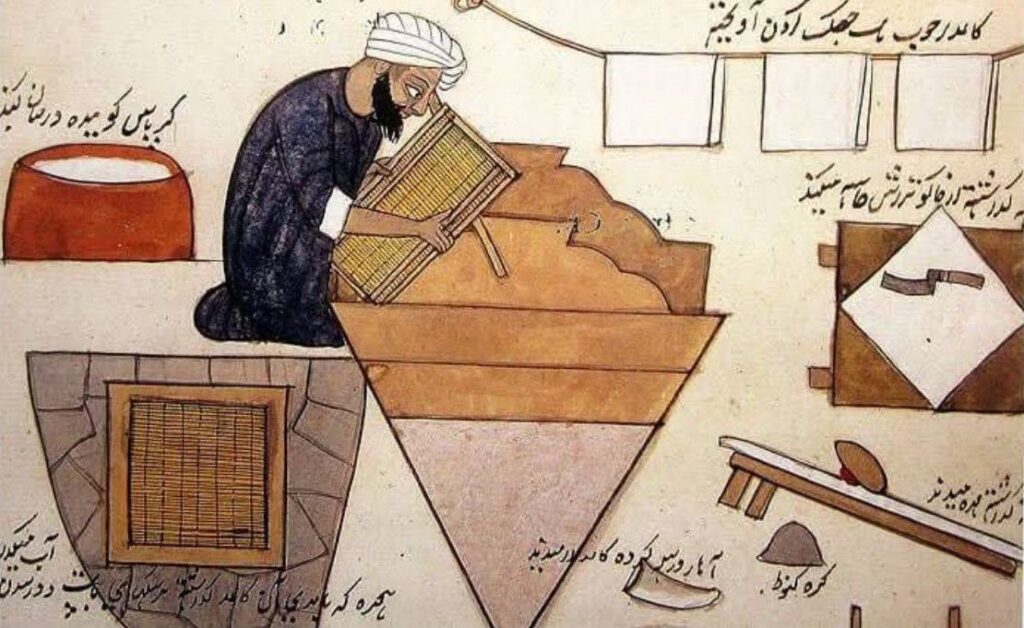
Before the invention of paper, people used various materials for writing, such as papyrus and parchment. In the mid-15th century, the invention of movable type printing by Johannes Gutenberg dramatically increased the demand for paper and accelerated its spread. Considering all the miles traveled and the work done by thousands of people until ideas spread to the world and knowledge becomes a common good, books have made a decisive contribution to modern culture.

The evolution of medicine in Arab world

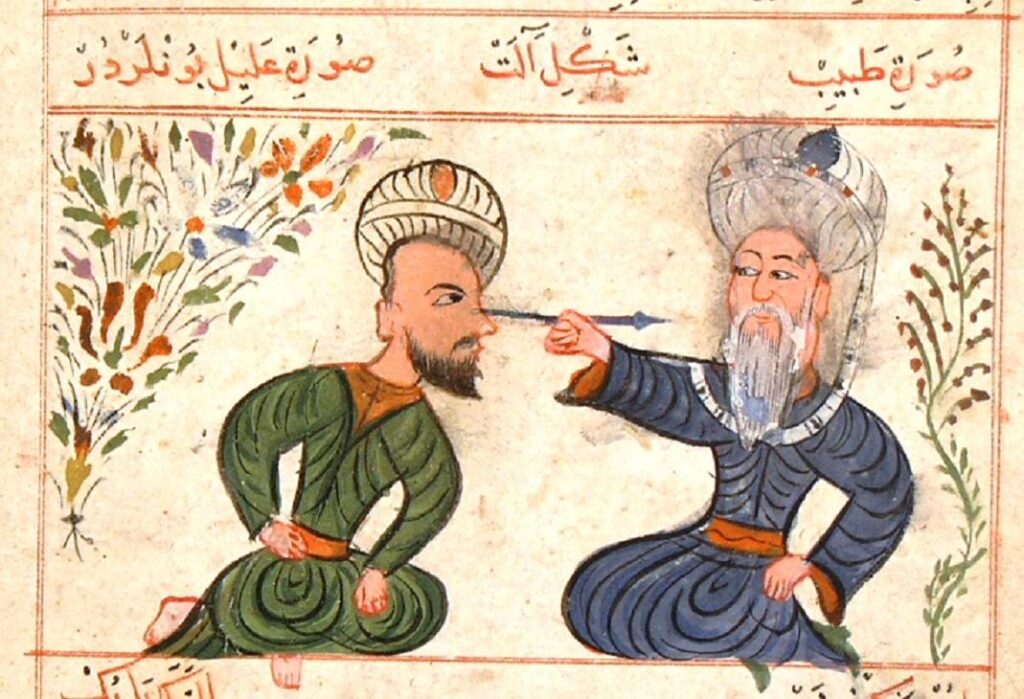
Hospitals were built during the Middle Ages in all the major cities of Iraq, Persia, Syria and Egypt. Care and treatment in the islamic Bīmaristan (=house of the sick) were provided free of charge and there were separate wards for patients with different diseases. Arab doctors studied pharmacy and medicine in combination with phytology. The analgesic and healing properties of plants, especially herbs, were analysed in countless medical textbooks of the muslim world.

Arabian, the horse of the desert

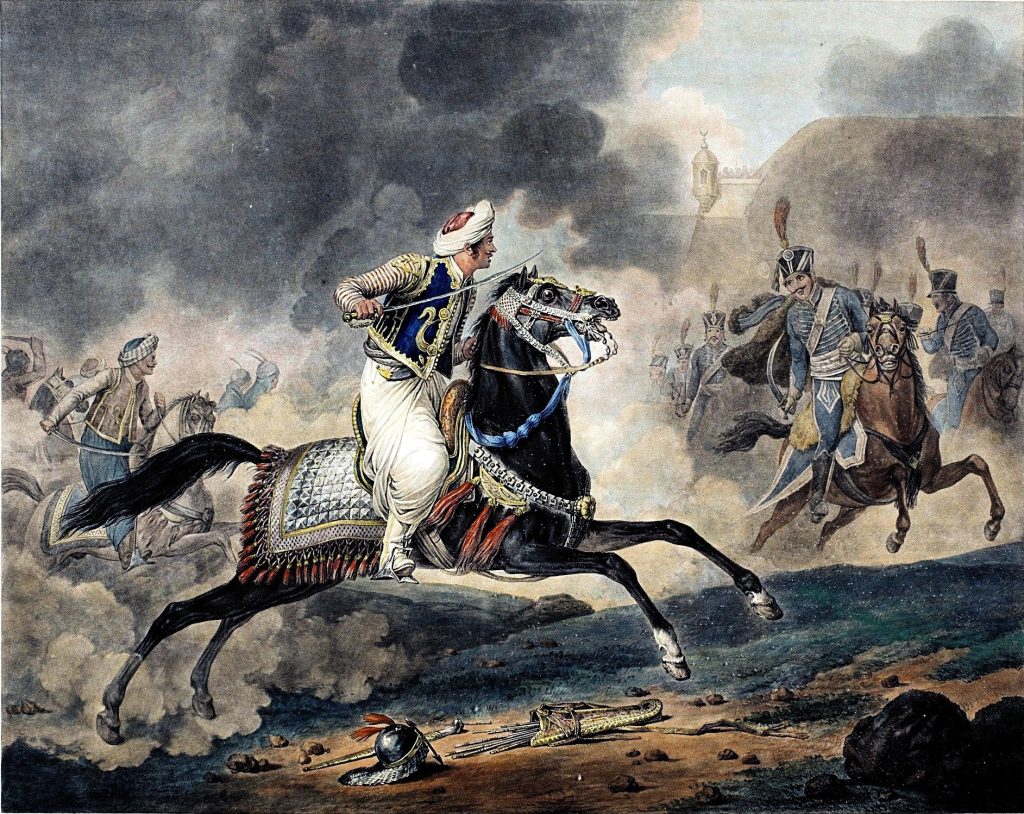
In the ancient deserts of the Middle East, the oldest horse breed, the Arabian, was born and raised. According to a Bedouin legend, God created the horse from the four winds. He endowed the animal with spirit from the North, strength from the South, speed from the East, and intelligence from the West. According to another Bedouin story, when God created the horse, he said, “I have created you as I have created no other creature. All the treasures of the earth are between your eyes. You shall carry my friends on your back. Your saddle shall be the seat for prayer to me. And you shall fly without wings and conquer without holding a sword.”

Musical Tradition and Poetry in the Arab World

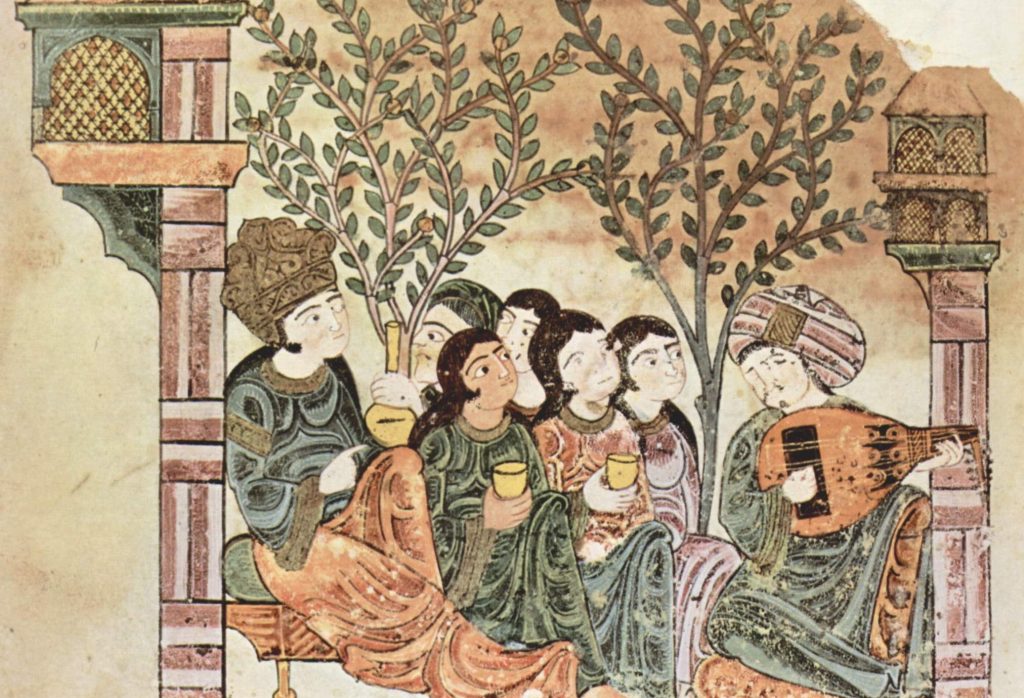
Arabs perceived music as a means of praise and connection with God, but also as a way to make life more comfortable and enjoyable. For several centuries, Arab rulers from Baghdad to Cordoba were famed for their patronage of musicians. Their courts boasted full orchestras for entertainment, while noted musicians competed for the ruler’s favour.

Forms and shapes of Islamic art

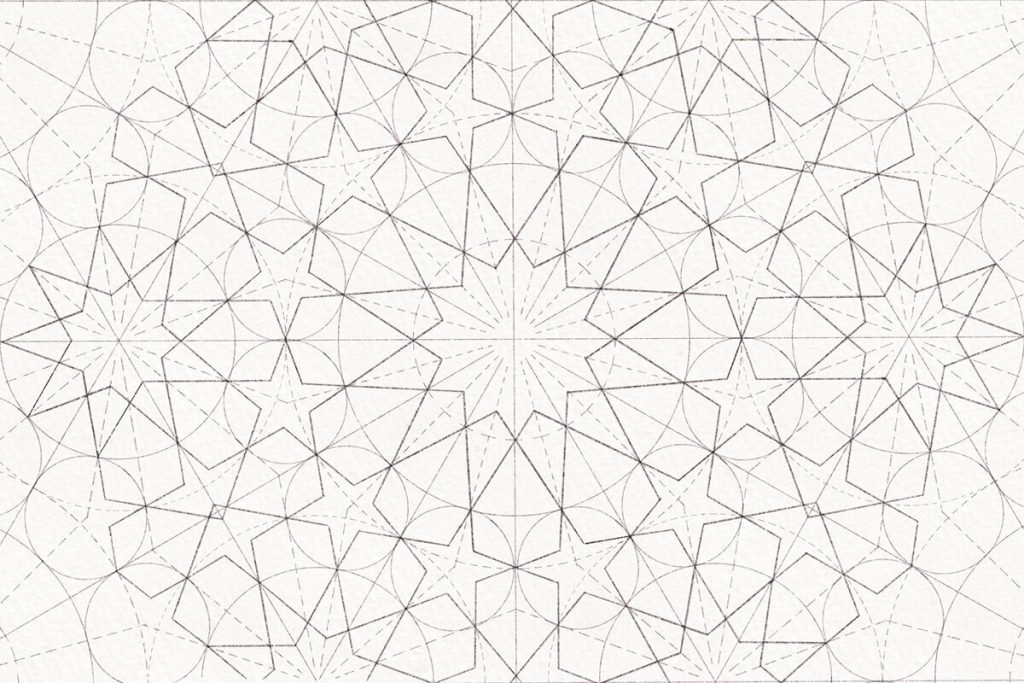
Like other aspects of Islamic culture, Islamic art was the result of a combination of peoples and civilizations, with Arabic, Persian, Mesopotamian and African traditions getting intertwined. Starting from this basis and rejecting the depiction of living creatures, Muslim artists gradually established a style of their own that essentially diverged from the Roman and Byzantine art of their time. Three types of decoration stand out as the main features of Islamic art: floral compositions, geometric shapes and calligraphy.

The Craftsmanship of Eastern Tapestry

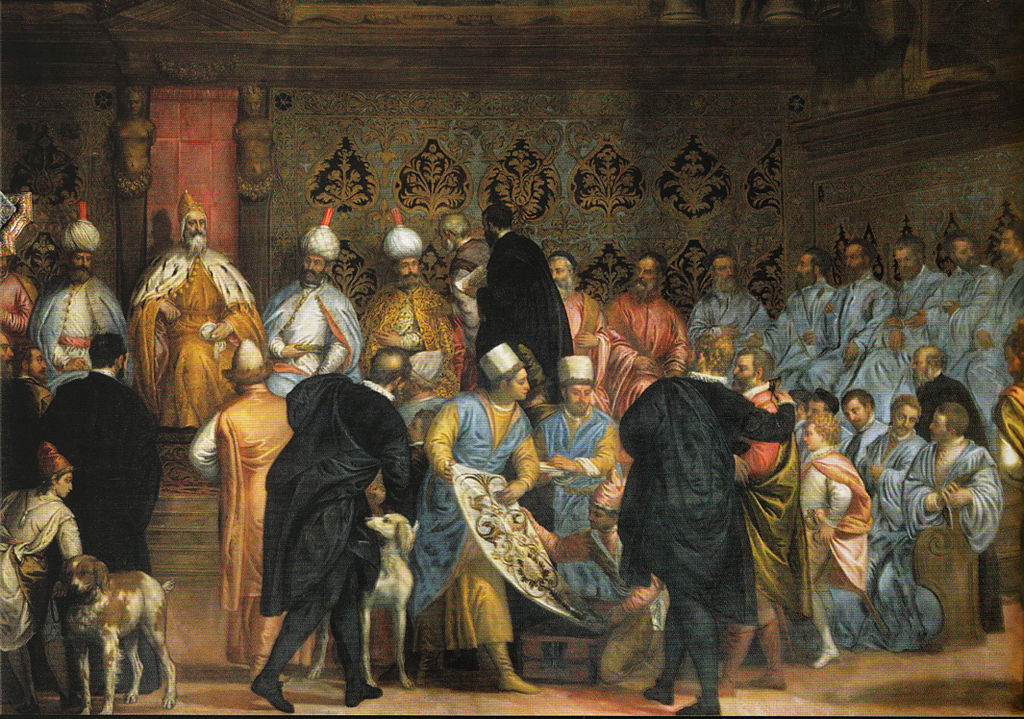
People of the East have a long tradition of carpet weaving, with Persian carpets and Ottoman kilims still standing out today for their quality, patterns and colors. Since ancient times, carpets have served Middle Eastern nomads as protective coverings in sandstorms and also to create softer saddles on the backs of their camels. Gradually, Persians and Arabs warmed up and decorated their houses and mosques with them. Carpets were a key part of a bride’s dowry and a great gift of honor for a guest as well.

The Spice Trade Route

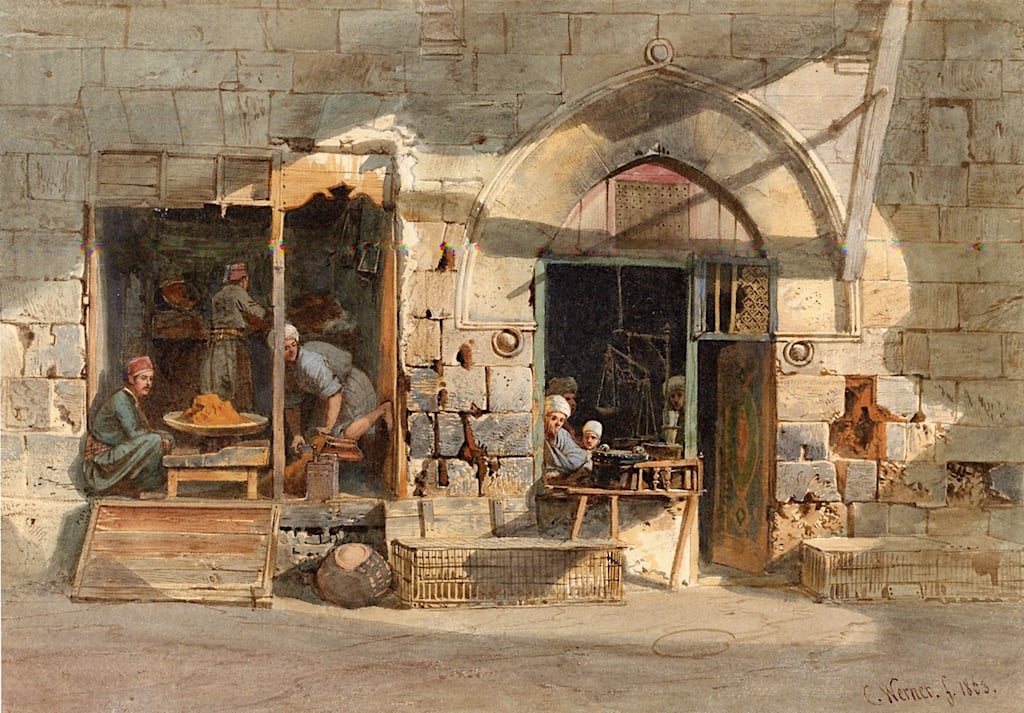
One of the oldest trades is the spice trade which played an important political, historical and cultural role over the centuries. It all started with the great explorations in the East. Merchants, sailors, explorers and travellers brought exotic spices to the West via the old caravan routes, from the Far East and Asia to Europe. The distance that separated the old continent from their countries of origin made the spices particularly valuable, so much so that the value of some of them approached that of gold.

Scheherazade goes West…

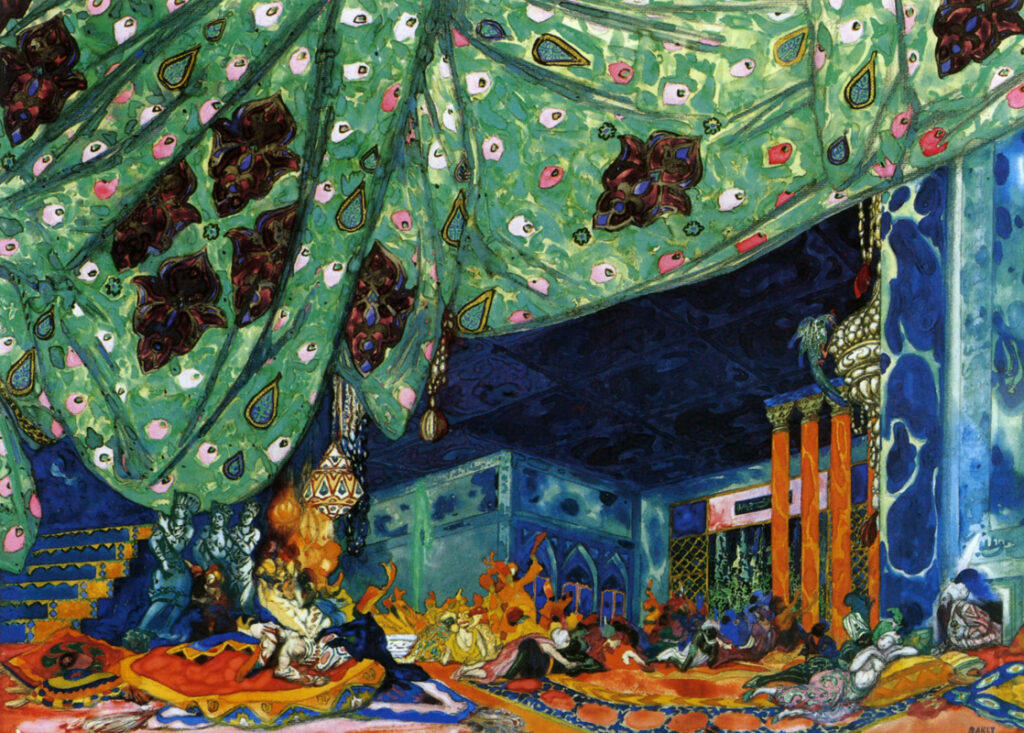
Scheherazade left Bagdad to go to Paris with the Frenchman Antoine Galland at the end of the 17th century. At the beginning of the 18th century, the “Orientalist from Persia” gained the right to speak French. A wise lady, gentle, both in her fairy tales and stories, she quickly conquered the world of Europe with her words. She learned to speak English, Russian, German, Italian. Awake and agile, she wrote novels and poetry, made paintings, taught children, composed operas, designed scenes.

Bath, a habit that comes from the past

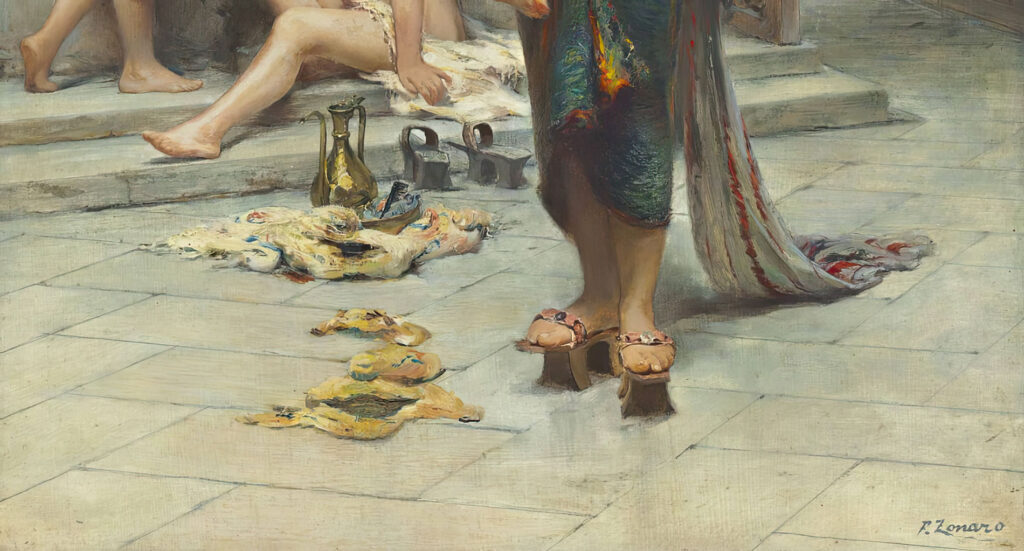
It is not known exactly when the man started using enclosed spaces for his cleanliness, but there are some references which indicate it existed as a practice in India, in ancient Egypt and later in the ancient Greek civilisation. Homer’s heroes were relieved by a warm bath after many long and tough battles, while Hippocrates, in his medical work About Gases, Places, and Water, dedicates a chapter to the process of hydrotherapy.

The Game of Kings

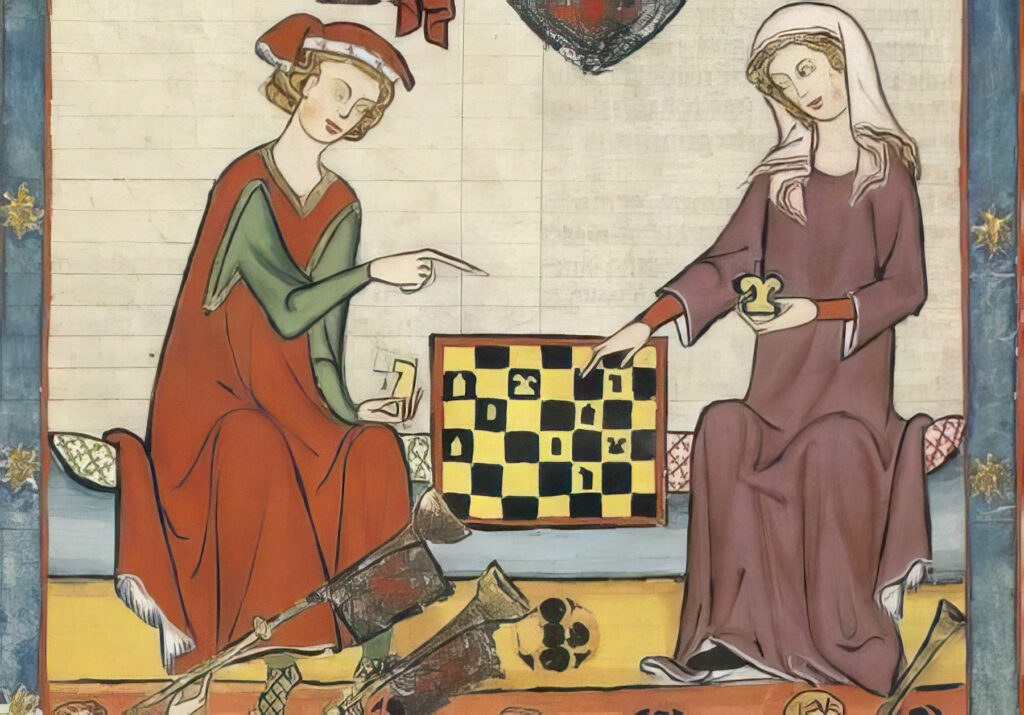
The story of chess gets lost in the depths of centuries and in the far ends of Asia. Thousands of years ago, the game transcended the boundaries of language, religion, cultures, nationalities and classes, and managed to conquer the whole world.

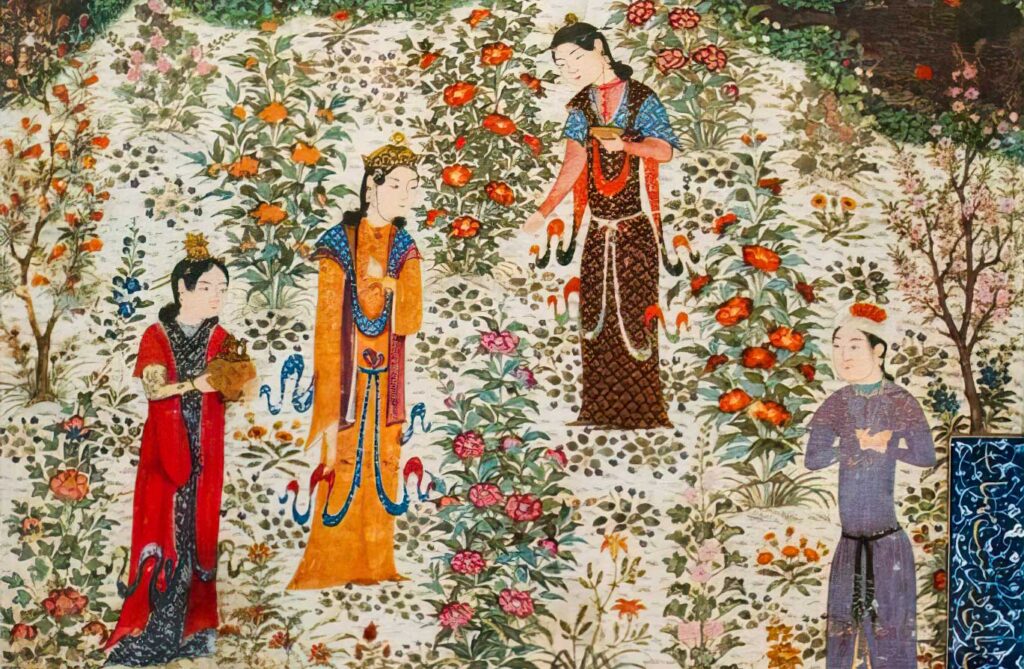
Islamic Gardens and their Heavenly Symbolism

“There is a certain divergence between the popular image of Islam, as the religion that emanated from the desert and carried its ethos, and the notion of the garden: lush, green, shaded, moist, and fragrant, among other pleasant qualities that are all antithetical to the desert environment. But it seems that precisely because Islam came out of the desert that gardens occupy a substantial space in the Islamic imaginary and in the history of Islamic design.”

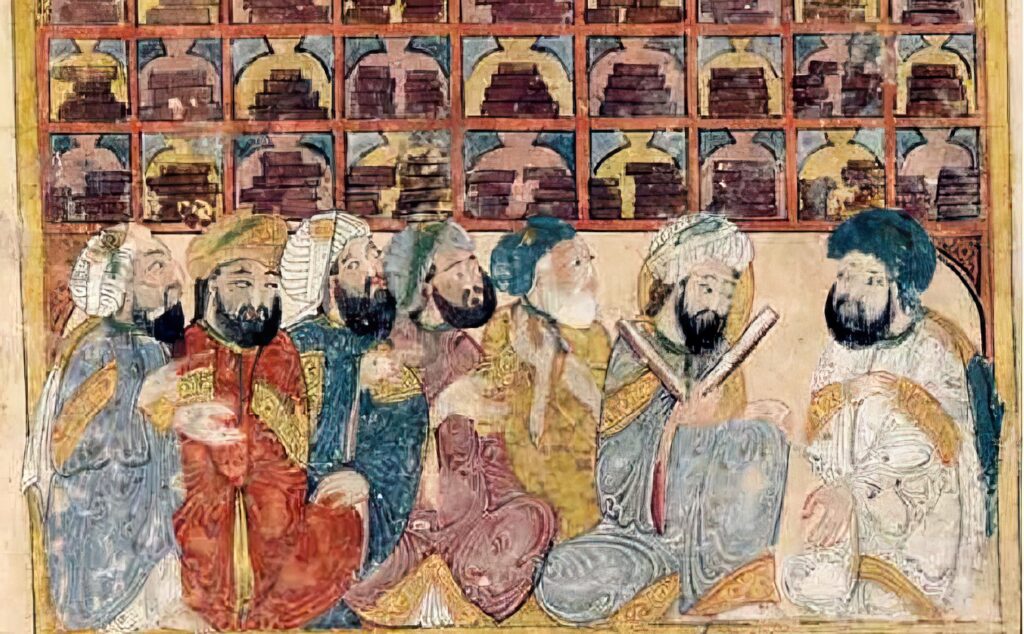
The House of Wisdom

The heyday of Baghdad was 1,200 years ago when it was the thriving capital of the Muslim civilisation. For about 500 years the city boasted the cream of intellectuals and culture, a reputation gained during the reigns of some of its most famous Caliphs (Al-Rashid, Al-Ma’mun, Al-Mu’tadhid and Al-Muktafi).

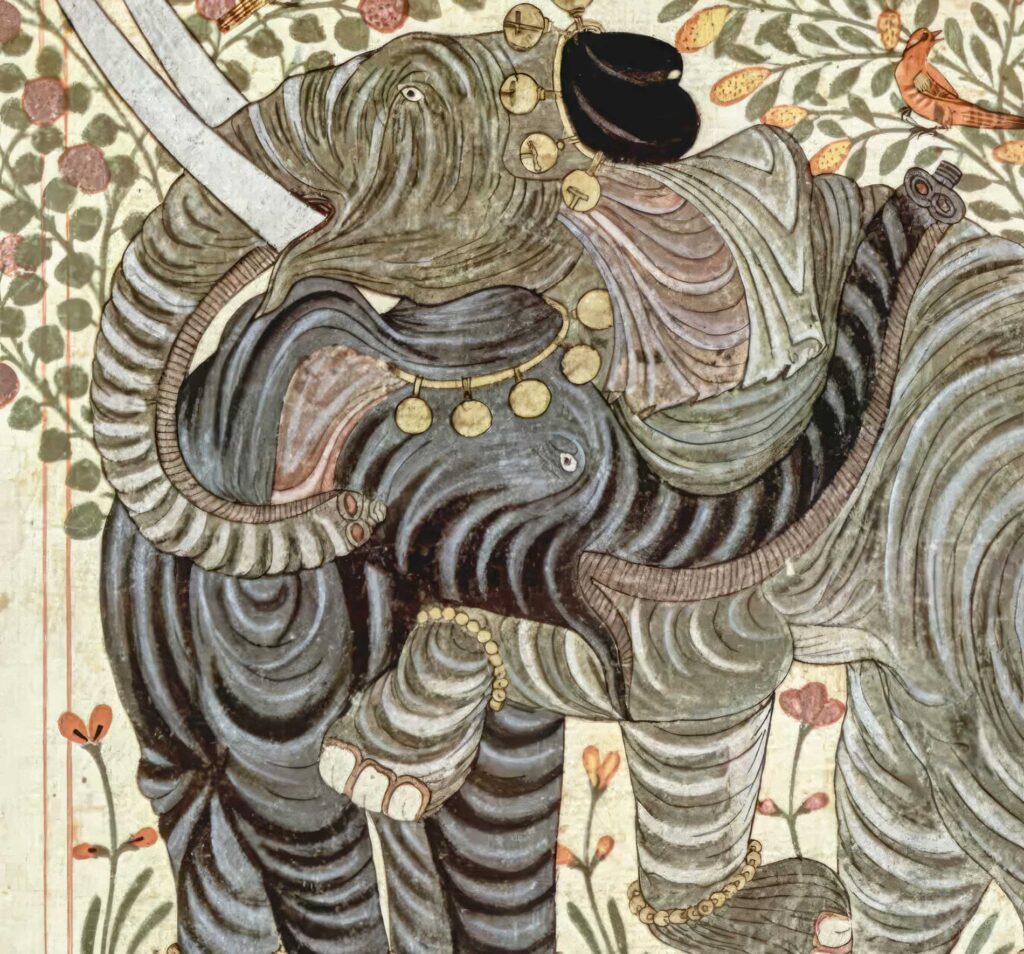
Al-Jahiz and “The Book of Animals”

Al-Jahiz lived, during one of the most exciting times of intellectual history – the period of the transmission of Greek science to the Arabs and the development of Arabic prose literature -and was intimately involved in both.

They shoot historians, don’t they? by Nasser Rabbat

Media outlets around the world have grown increasingly indifferent to the brutality of the ongoing war in Syria, numbed by more than four years of senseless killing and destruction in that cursed country. But a recent attack finally touched a raw nerve among global literati, for the victim is someone with whom they can identify.